Category Archives: Chưa phân loại

Thành Chí Agriculture Cooperative and The Fruit Republic: Scaling sustainable citrus farming to 500 hectares by 2030

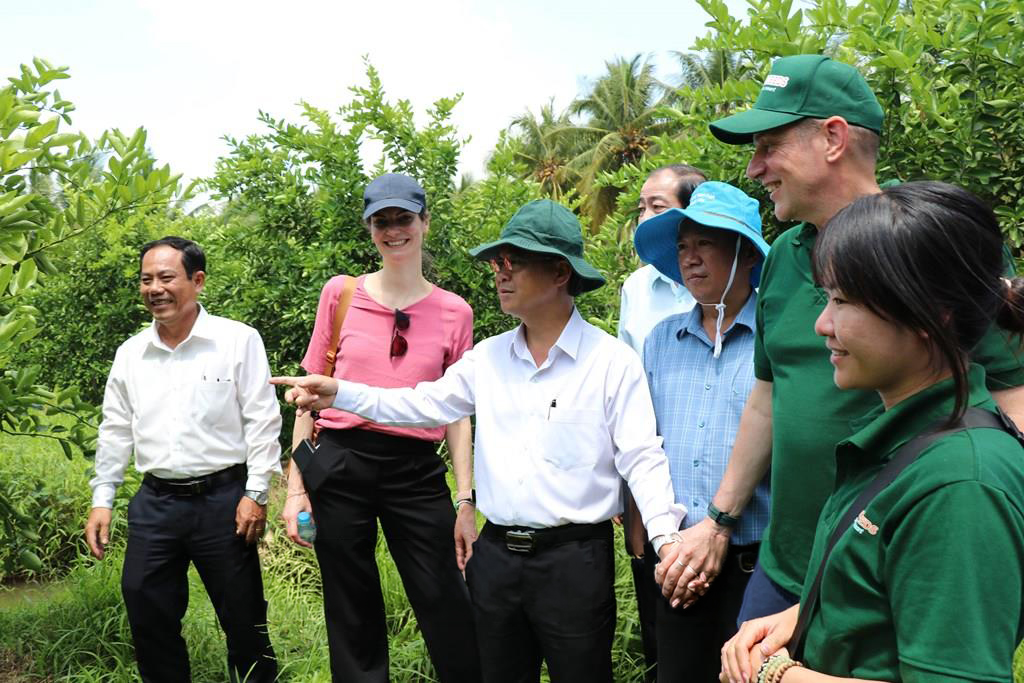
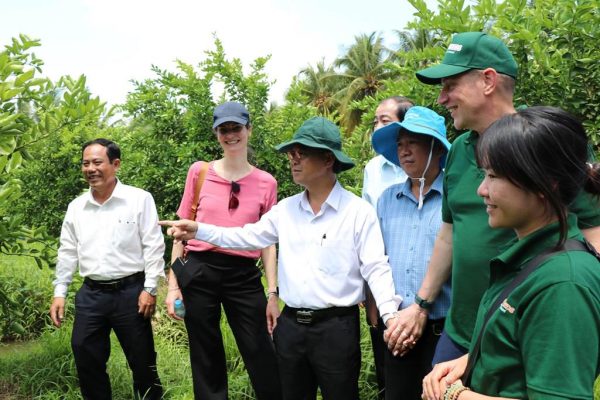
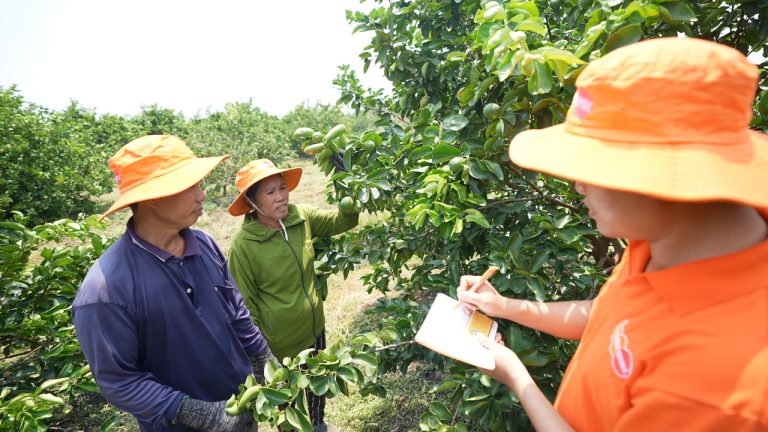
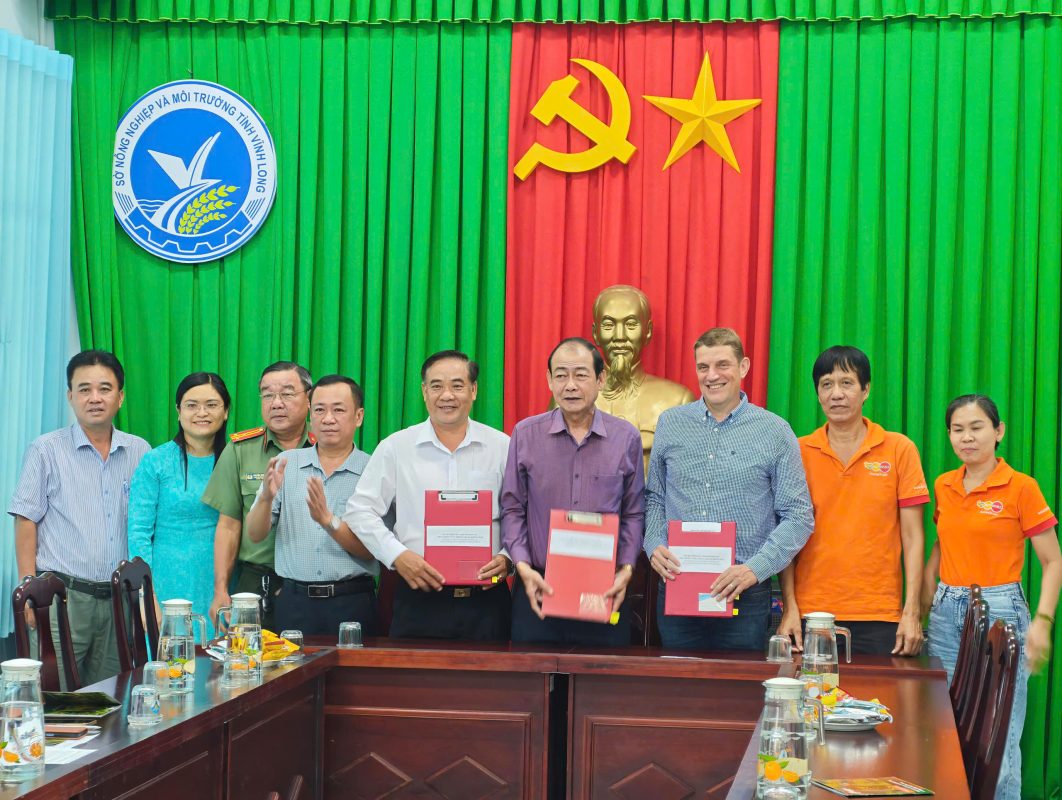
On 17 March 2026, a delegation from the Vĩnh Long Provincial People’s Committee met in Trà Vinh with The Fruit Republic and representatives of the Government of the Netherlands. The meeting focused on long-term cooperation to scale up a sustainable seedless lime production model in Vĩnh Long Province.

The session brought together key stakeholders — including the Vĩnh Long Provincial Cooperative Alliance, the Department of Agriculture and Environment, the Farmer Union, and the Thanh Chí Agriculture Cooperative — all aligned on building a farming model that is sustainable, traceable, and capable of delivering consistent export quality.

Founded in Trà Vinh in 2022 with just 10 members and 3.6 hectares, the Thành Chí Cooperative began collaborating with The Fruit Republic in 2023 and has since grown rapidly. By end of 2025, with support from the SUCCEEDS project — co-financed by RVO, the Netherlands Enterprise Agency — the cultivated area had expanded to 188.4 hectares across 186 farmers, while generating employment for over 150 local workers.

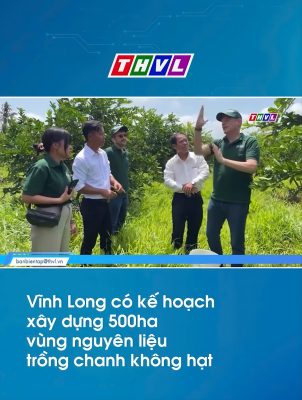
Looking ahead, the cooperative aims to collaborate with The Fruit Republic to expand to 250 hectares in 2026 and 500 hectares by 2030 throughout Vĩnh Long Province, extending beyond seedless limes to other citrus varieties such as Nam Roi pomelo. The SUCCEEDS project will continue to provide the farmers with technical assistance, access to finance, training, and the help in the adoption of international standards (GlobalG.A.P.) for export and domestic market.

The Thành Chí Cooperative is demonstrating the value of public-private partnership — bringing together government, cooperatives, the private sector, and international development support to scale sustainable, high-value agriculture in the Mekong Delta.

Related articles:


SUCCEEDS project showcased at Fresh Produce Vietnam 2025

On 13 May 2025, Fruitnet organized Fresh Produce Vietnam, a brand-new fresh produce business conference and networking expo that brought together exporters, importers, retailers, and industry representatives from more than 10 countries. The event, for which The Fruit Republic was a golden sponsor, provided a platform for industry leaders to discuss the future of Vietnam’s fresh produce sector and explore opportunities for sustainable growth. 

The conference examined various aspects of how Vietnam can strengthen its position as both a consumer market and a leading supplier of fresh produce in Asia. Discussions covered changing consumer trends, the evolving retail landscape, opportunities in fruit imports and exports, and the importance of developing sustainable production systems to unlock the country’s full potential. 

As part of the session “Levelling Up: Sustainable Production Models”, Mr Siebe van Wijk, Managing Director of The Fruit Republic, proudly presented a case study on professionalising fruit production from the ground up in Vietnam and building a sustainable sourcing model through the company’s investment in the SUCCEEDS project. 

The presentation highlighted the opportunities and challenges currently facing Vietnam’s citrus sector. Despite the sector’s strong growth potential, citrus farmers continue to face issues such as declining soil health, increasing production costs, inconsistent fruit quality, and limited access to high-value markets. These challenges particularly affect smallholder farmers, who make up the majority of citrus producers in the Mekong Delta and Southeastern Vietnam. 

By promoting farm professionalisation and supporting smallholder farmers to participate in global value chains, the project aims to make the citrus sector in the Mekong Delta and Southeastern Vietnam more profitable and sustainable for 150,000 citrus smallholder farmers. 

The presentation demonstrated how long-term private sector investment, combined with strong partnerships across the value chain, can contribute to sustainable agricultural development. It also illustrated how commercial sourcing models can generate positive impacts for both businesses and farming communities. 

As Vietnam continues to strengthen its position in the regional and global fresh produce industry, initiatives such as the SUCCEEDS project offer valuable examples of how sustainable production, market connectivity, and farmer inclusion can support the future growth and resilience of the country’s citrus sector. 

You can find more information about the event at the website.  


First-ever fruit nursery census conducted in the Mekong Delta

With over 500,000 hectares of tropical fruit cultivation, the Mekong Delta is Vietnam’s most important fruit-producing region. Dominated by smallholder farmers, the sector supports the livelihoods of an estimated one million farming households, approximately four million people. 

A critical step in establishing and managing a successful fruit farm is the selection and planting of high-quality seedlings, which are produced by specialized nurseries. Despite the sector’s significance, no comprehensive study had previously been conducted on the fruit nursery industry in the Mekong Delta. 

To address this gap, the SUCCEEDS project team carried out the region’s first fruit nursery census in February and March 2025. With the support of all provincial Departments of Agriculture and Environment (DAE) in the Mekong Delta region, there are over 8,000 active nurseries (all types included, with and without business license). From the list provided by DAEs, there are 741 nurseries registered. Among these, the team identified 70 fruit nurseries which have active production operations across the region. Of these, 51 nurseries were visited for short interviews to gain an initial overview of the sector. 

At the time of the survey: 

  • 69% of nurseries produced and sold both citrus and other tropical fruits. 
  • 28% focused exclusively on citrus. 
  • 4% specialized in other tropical fruits. 

Among tropical fruit seedlings, durian (27 nurseries) and jackfruit (22 nurseries) were the most commonly produced. Other varieties included star apple, mango, guava, longan, rambutan, coconut, mangosteen, and more. 

In the citrus category: 

  • 43 out of 51 nurseries produced and sold seedless lime. 
  • 29 nurseries offered pomelo (mainly pink and honey varieties). 
  • Other citrus types included orange, clementine, seed lime, kumquat, and several local varieties. 

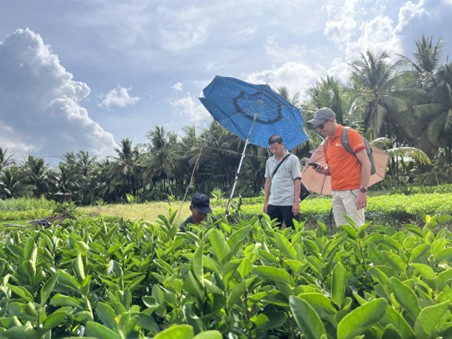
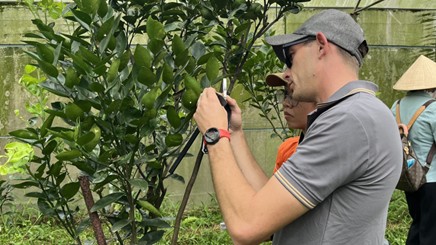
Image 1: Project team interviewing farmer

Bến Tre Province emerged as the leading hub for citrus seedling production, offering a wide range of citrus varieties. 

In terms of production area: 

  • Most nurseries operated on plots ranging from 1,000 to 10,000 m². 
  • Eight nurseries reported significantly larger areas (15 to 35 hectares), often consisting of land rented from other farmers. 


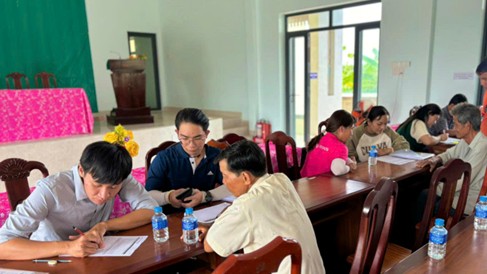
Image 2: Inspection pest mother plant

Based on the findings of the census, 25 nurseries were selected for a more detailed survey scheduled for April. From this group, 10 nurseries will be invited to participate in the SUCCEEDS Nursery Development Training Program, aimed at enhancing nursery practices and supporting sustainable growth in the citrus sector.

Baseline study reveals key opportunities and challenges for citrus farmers in Long An and Tra Vinh provinces

Between June and August 2024, the SUCCEEDS project team conducted a baseline study involving 23 TFR contract citrus farmers and 21 non-TFR contract citrus farmers in Long An and 26 citrus farmers and 16 rice farmers in Tra Vinh Provinces. The study had three primary objectives: 

  1. To establish a baseline for monitoring the impact of the SUCCEEDS project 
  2. To gain a comprehensive understanding of the current status of seedless lime cultivation, the socio-economic conditions of lime farmers, and the critical challenges they face. 
  3. Compare the farm economics between lime farming and rice farming in Tra Vinh province 

Long An province: Vietnam’s leading lime cultivation area 

With over 11,000 hectares of seedless lime, Long An Province is the most significant lime-growing region in Vietnam. It was also the first area in the country to cultivate the seedless lime variety. While a smaller, seeded lime variety had been grown locally for years, the introduction of the seedless variety—brought by Vietnamese-American returnees from California—marked a turning point. Farmers refer to this variety as the “Cali lime.” 

Tra Vinh province: Khmer minority farmers transitioning from rice to lime 

Lime cultivation is a relatively new activity in Tra Vinh Province, which is predominantly inhabited by Khmer ethnic minority farmers. These communities, many of whom fled the Cambodian conflict in the 1980s, initially settled in the area with their cattle. Since then, Tra Vinh has become known for beef production, alongside rice and coconut farming. 

In an effort to improve incomes, local farmers and government officials approached The Fruit Republic (TFR) to explore the potential of citrus farming. TFR partnered with a small farmer cooperative to pilot lime cultivation. After four years, the results were promising, and together with the Provincial Department of Agriculture and Rural Development (DARD), Tra Vinh was officially included in the SUCCEEDS project. Today, over 150 rice farmers in the region are eager to transition to lime farming. The baseline study aimed to understand this shift and explore farmers’ expectations and challenges. 

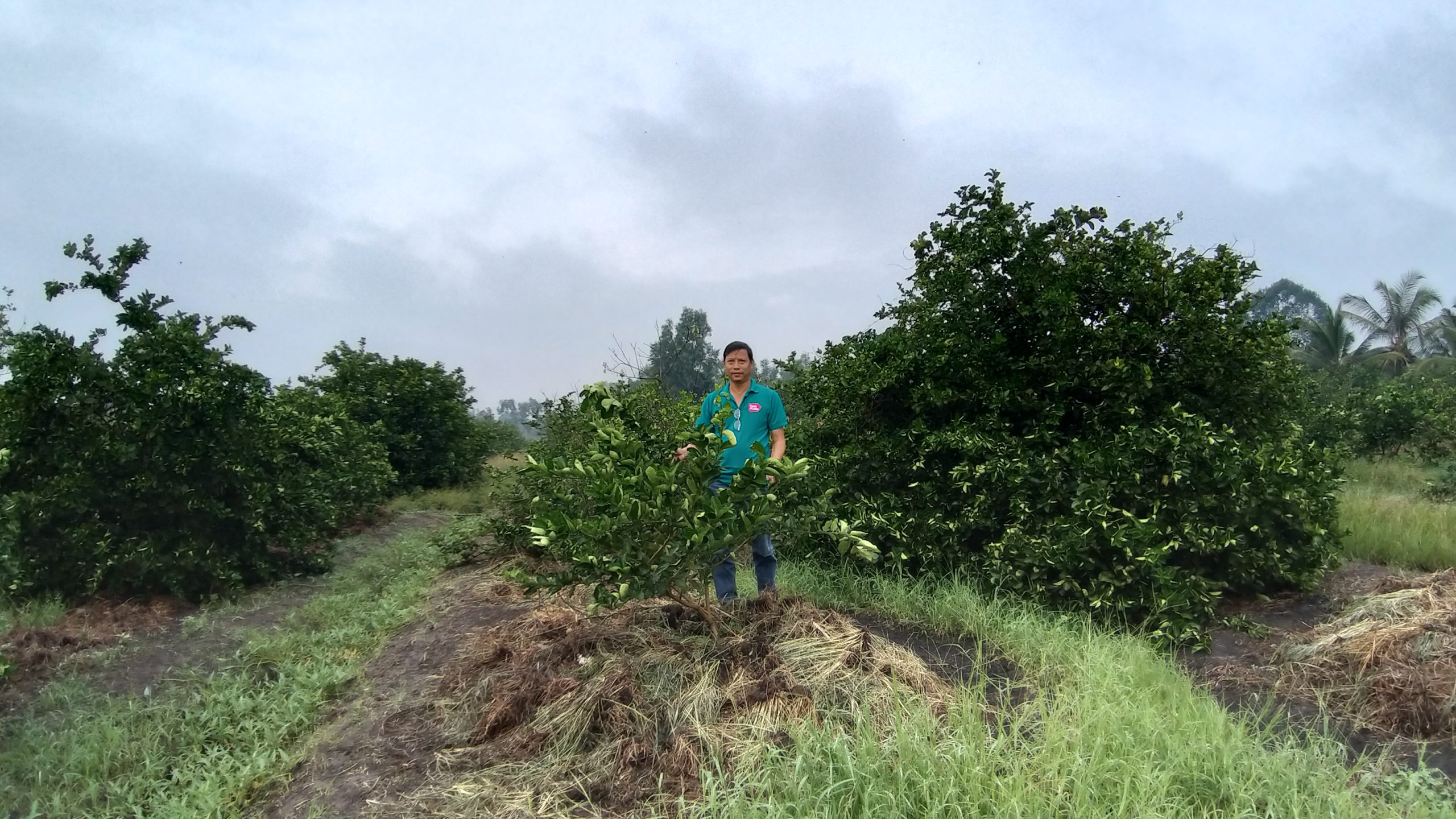
Image 1: Seedless lime orchard with old and young trees.

Key Insights from the Study 

The seven-year lime life cycle: peaks and pitfalls

In Long An, the average economic life cycle of seedless lime orchards is just seven years. Farmers typically face negative cash flow during the first two years while establishing their orchards. Peak yields—and the most profitable period—occur between years three and five. After that, productivity declines due to disease pressure (mainly Phytophthora) and tree fatigue, prompting many farmers to replant by year six or seven. Extending the productive lifespan to 12 years could significantly boost farmer incomes. Achieving this will require improvements in farm management practices. 

Tree Mortality and Planting Practices 

Each year, at least 10% of trees are lost due to suboptimal planting techniques. By the time orchards become profitable, up to 30% of the original trees may have died. This results in mixed-aged orchards, complicating management. Some farmers attempt to mitigate losses by planting two seedlings per hole, but this often proves more costly than beneficial. 

Profitability drives adoption, but financing is a barrier 

Profit potential is the main motivator for farmers switching to lime cultivation. However, access to finance remains a significant hurdle. In Long An, 16% of surveyed seedless lime farmers require loans to make the transition. In Tra Vinh, this figure rises to 46%, reflecting the greater financial needs in this newer production area. These figures are based on current practices; if farmers adopt improvements such as drip irrigation, drainage systems, higher-quality seedlings, or infrastructure for GlobalGAP certification, credit requirements will increase substantially. 

Agrochemical Packaging Waste Management  

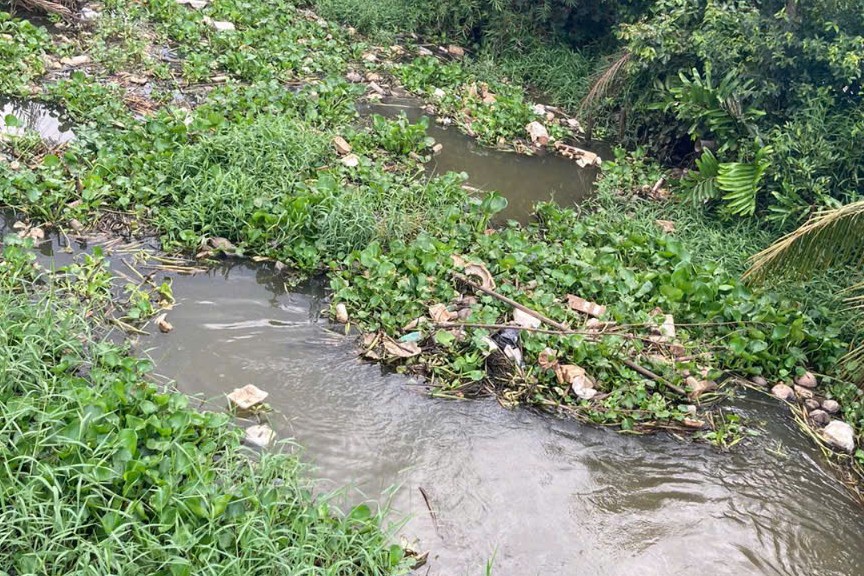
As part of its collaboration with provincial governments, the SUCCEEDS project is working to improve the collection and incineration of agrochemical packaging waste. The study assessed the volume of such waste generated per hectare annually. On average, one hectare of seedless lime in Tra Vinh produces 111 units of agro-chemical packaging, compared to 140 units in Long An. In contrast, rice farming generates 174 units per hectare. A significant number of non-TFR farmers in both provinces still dispose of plastic waste by burning or discarding it in the environment. 

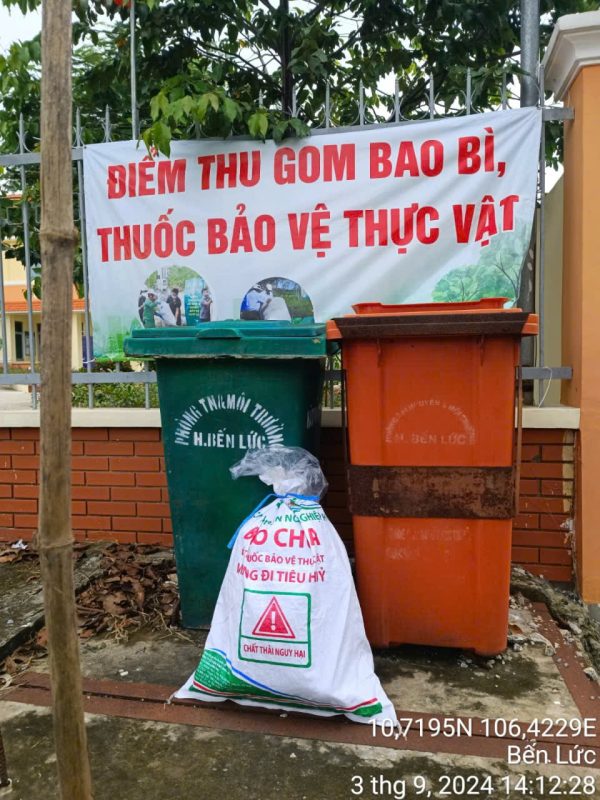
Image 2: An official and proper government empty pesticide waste collection point.

Image 3: Empty packaging materials thrown in ditches

Note: Citrus farmers not being part of the TFR value chain, often dispose empty packaging materials directly into the environment 

SUCCEEDS Project presented at Vietnam–Netherlands Mekong Delta Business Forum

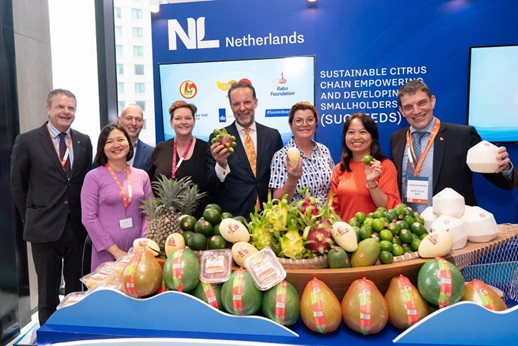
On March 21 in Ho Chi Minh City, the SUCCEEDS project partners showcased their initiative at the Vietnam–Netherlands Mekong Delta Business Forum. The event was part of a four-day visit (March 18–21) by a 140-member Dutch delegation led by Christianne van der Wal, Dutch Minister of Agriculture, Nature, and Food Quality; Ingrid Thijssen, President of the Confederation of Netherlands Industry and Employers; and Mark Harbers, Dutch Minister of Infrastructure and Water Management. 

The mission focused on key sectors including water management and technology, agri-food and horticulture, and green, digitalized logistics. 

The forum attracted hundreds of Dutch and Vietnamese companies, along with high-level officials such as the Vietnamese Deputy Minister of Agriculture and Rural Development and several provincial chairpersons from the Mekong Delta.

At the event, SUCCEEDS project partners set up an engaging booth to inform participants about this innovative public-private partnership and its mission to transform Vietnam’s citrus sector through sustainable development and farmer empowerment. 

Image 1: From left to right: Minister Habers, Ms Nguyen (Rabo Foundation),Mr. Postmus (Rabo foundation), Ms. Korving (Dutch agricultural councilor, Consul Mr Stork (Netherlands Embassy), Minister Van der Wal (Netherlands Government), Ms Nguyen (The Fruit Republic), Mr van Wijk (The Fruit Republic) 

Introduction of the SUCCEEDS project to the Vietnamese Prime Minister and Minister of Agriculture and Rural Development

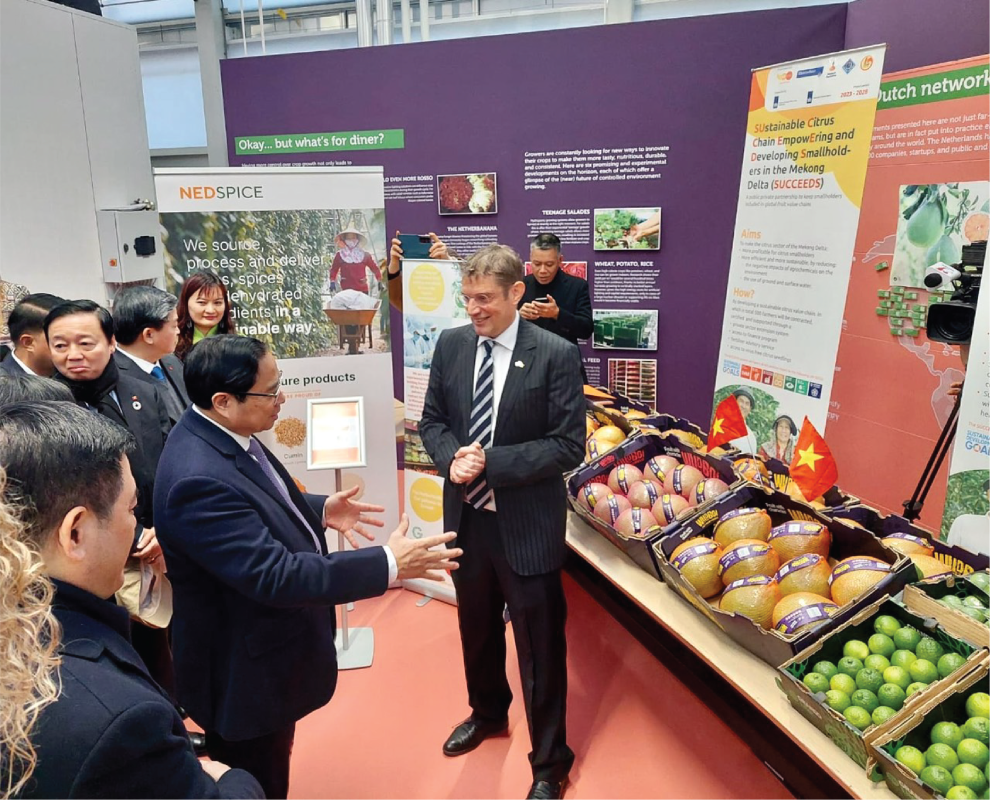
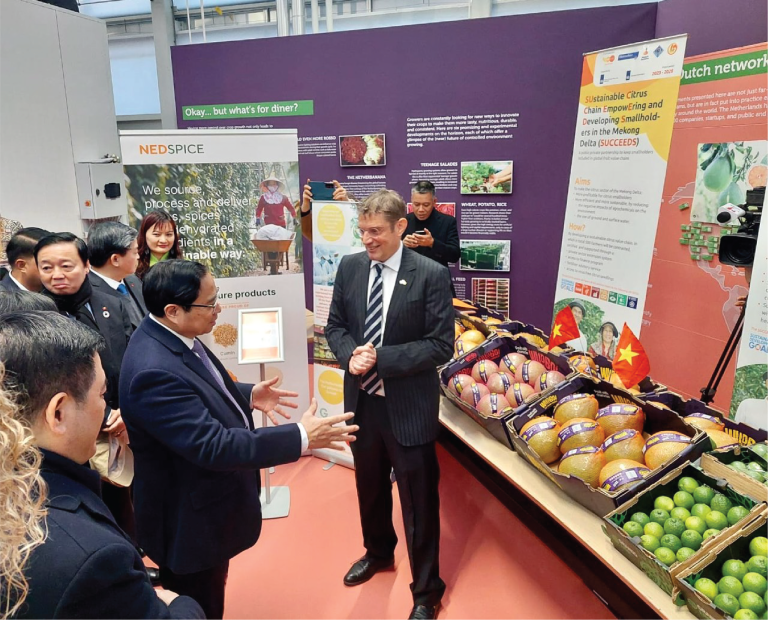
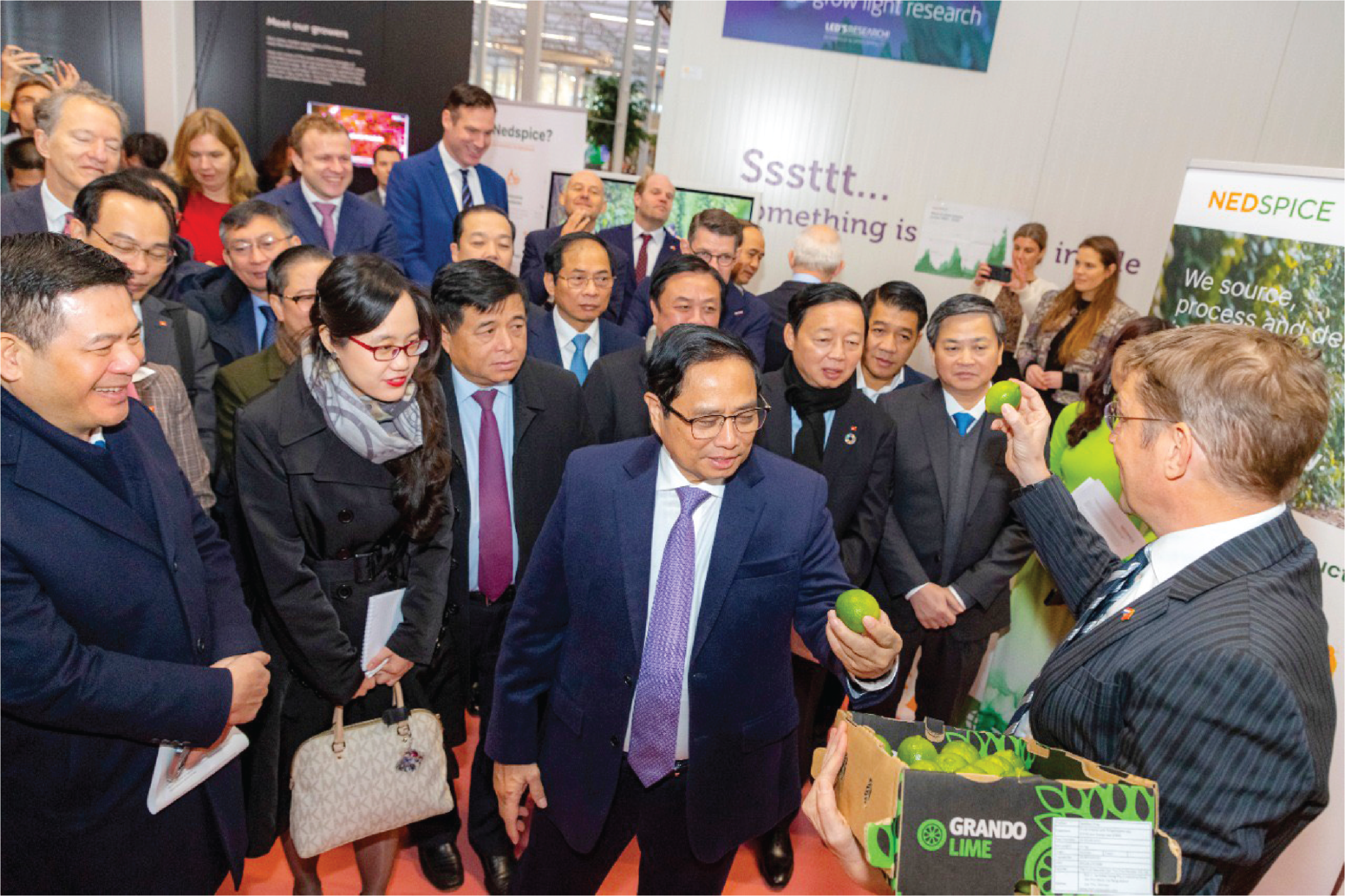
During an official state visit to the Netherlands, Vietnamese Prime Minister Phạm Minh Chính and Minister of Agriculture and Rural Development Lê Minh Hoan visited the World Horti Center in Naaldwijk in December 2022. The purpose of the visit was to gain insights into advanced Dutch horticultural technologies. 

Among the exhibitors was The Fruit Republic (TFR), a Dutch company with a subsidiary in Vietnam. TFR in Vietnam has grown to become the country’s leading citrus fruit exporter. The company is known for its strong commitment to small-holder farmer inclusion, supported by its dedicated extension services and quality assurance systems. 

TFR’s Director, Siebe van Wijk, presented the newly launched SUCCEEDS project to Prime Minister Chính and Minister Hoan. This public-private partnership aims to empower up to 150,000 Vietnamese citrus farmers by promoting sustainable agricultural practices that enhance productivity and income. Key initiatives include investments in demonstration farms, farm specific soil nutrient management advice, access to finance, and citrus nursery sector development. 

Prime Minister Chính expressed pride in the global success of Vietnamese pomelo and lime, products that TFR has helped bring to international markets. Minister Hoan, a native of Đồng Tháp Province, was particularly pleased to see seedless limes from the local cooperative Mỹ Long featured in TFR’s export packaging. Both leaders expressed strong support for the SUCCEEDS project and its potential to further advance Vietnam’s citrus sector. 

Image 1: Introduction of the SUCCEEDS project to the Vietnamese Prime Minister and Minister of Agriculture and Rural Development