
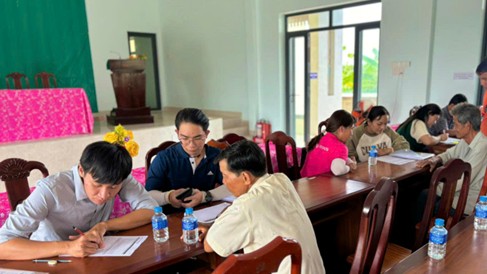
Between June and August 2024, the SUCCEEDS project team conducted a baseline study involving 23 TFR contract citrus farmers and 21 non-TFR contract citrus farmers in Long An and 26 citrus farmers and 16 rice farmers in Tra Vinh Provinces. The study had three primary objectives:
- To establish a baseline for monitoring the impact of the SUCCEEDS project
- To gain a comprehensive understanding of the current status of seedless lime cultivation, the socio-economic conditions of lime farmers, and the critical challenges they face.
- Compare the farm economics between lime farming and rice farming in Tra Vinh province
Long An province: Vietnam’s leading lime cultivation area
With over 11,000 hectares of seedless lime, Long An Province is the most significant lime-growing region in Vietnam. It was also the first area in the country to cultivate the seedless lime variety. While a smaller, seeded lime variety had been grown locally for years, the introduction of the seedless variety—brought by Vietnamese-American returnees from California—marked a turning point. Farmers refer to this variety as the “Cali lime.”
Tra Vinh province: Khmer minority farmers transitioning from rice to lime
Lime cultivation is a relatively new activity in Tra Vinh Province, which is predominantly inhabited by Khmer ethnic minority farmers. These communities, many of whom fled the Cambodian conflict in the 1980s, initially settled in the area with their cattle. Since then, Tra Vinh has become known for beef production, alongside rice and coconut farming.
In an effort to improve incomes, local farmers and government officials approached The Fruit Republic (TFR) to explore the potential of citrus farming. TFR partnered with a small farmer cooperative to pilot lime cultivation. After four years, the results were promising, and together with the Provincial Department of Agriculture and Rural Development (DARD), Tra Vinh was officially included in the SUCCEEDS project. Today, over 150 rice farmers in the region are eager to transition to lime farming. The baseline study aimed to understand this shift and explore farmers’ expectations and challenges.
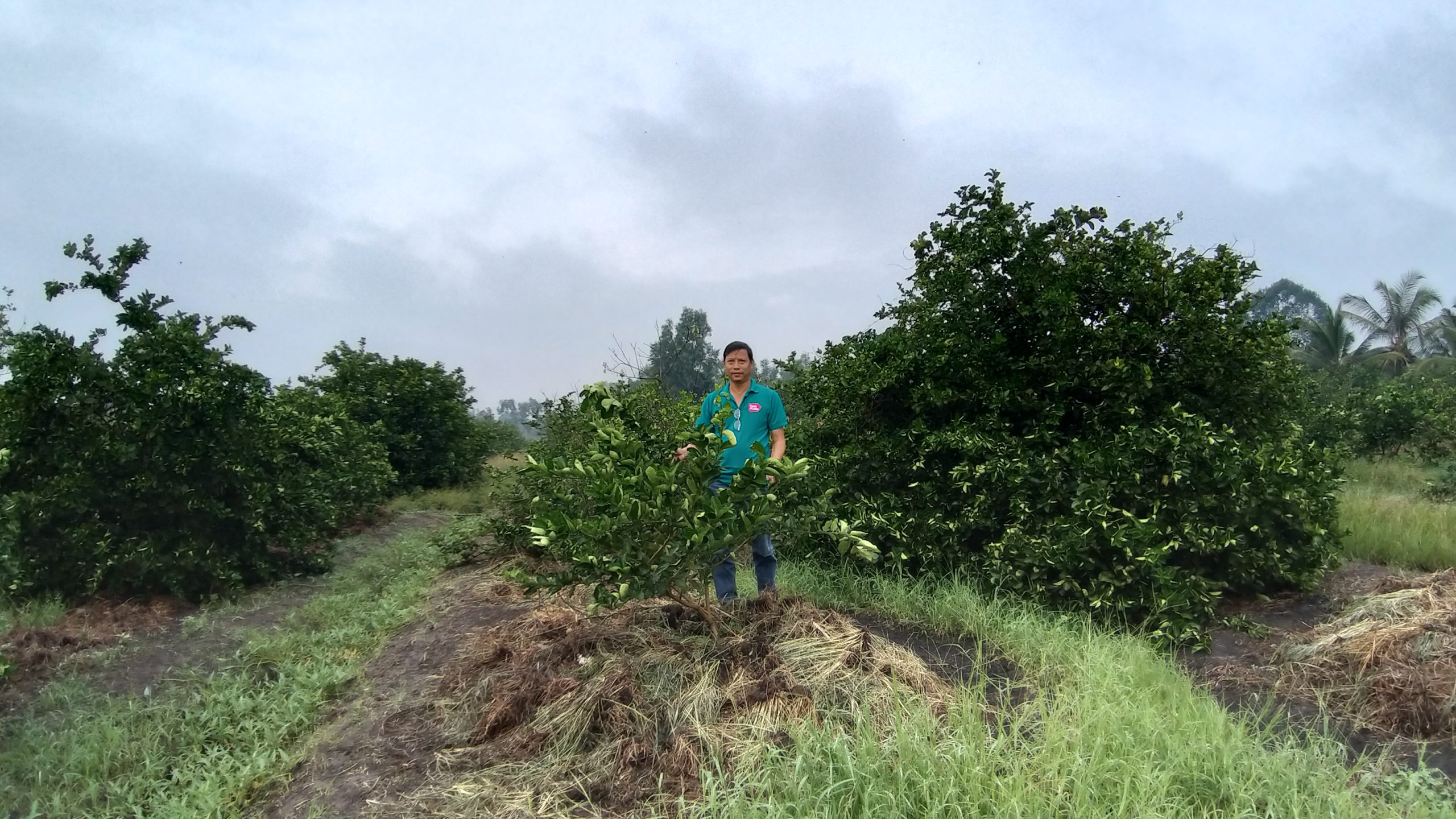
Image 1: Seedless lime orchard with old and young trees.
Key Insights from the Study
The seven-year lime life cycle: peaks and pitfalls
In Long An, the average economic life cycle of seedless lime orchards is just seven years. Farmers typically face negative cash flow during the first two years while establishing their orchards. Peak yields—and the most profitable period—occur between years three and five. After that, productivity declines due to disease pressure (mainly Phytophthora) and tree fatigue, prompting many farmers to replant by year six or seven. Extending the productive lifespan to 12 years could significantly boost farmer incomes. Achieving this will require improvements in farm management practices.
Tree Mortality and Planting Practices
Each year, at least 10% of trees are lost due to suboptimal planting techniques. By the time orchards become profitable, up to 30% of the original trees may have died. This results in mixed-aged orchards, complicating management. Some farmers attempt to mitigate losses by planting two seedlings per hole, but this often proves more costly than beneficial.
Profitability drives adoption, but financing is a barrier
Profit potential is the main motivator for farmers switching to lime cultivation. However, access to finance remains a significant hurdle. In Long An, 16% of surveyed seedless lime farmers require loans to make the transition. In Tra Vinh, this figure rises to 46%, reflecting the greater financial needs in this newer production area. These figures are based on current practices; if farmers adopt improvements such as drip irrigation, drainage systems, higher-quality seedlings, or infrastructure for GlobalGAP certification, credit requirements will increase substantially.
Agrochemical Packaging Waste Management
As part of its collaboration with provincial governments, the SUCCEEDS project is working to improve the collection and incineration of agrochemical packaging waste. The study assessed the volume of such waste generated per hectare annually. On average, one hectare of seedless lime in Tra Vinh produces 111 units of agro-chemical packaging, compared to 140 units in Long An. In contrast, rice farming generates 174 units per hectare. A significant number of non-TFR farmers in both provinces still dispose of plastic waste by burning or discarding it in the environment.
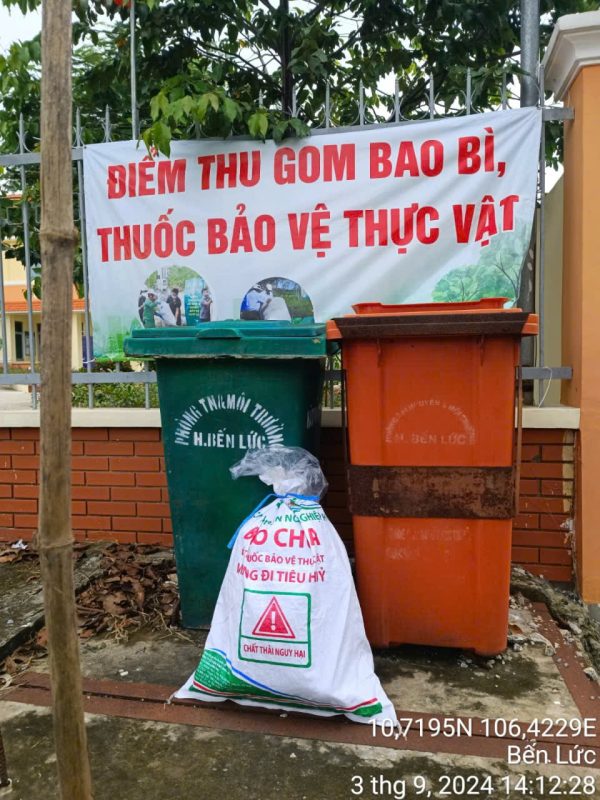
Image 2: An official and proper government empty pesticide waste collection point.
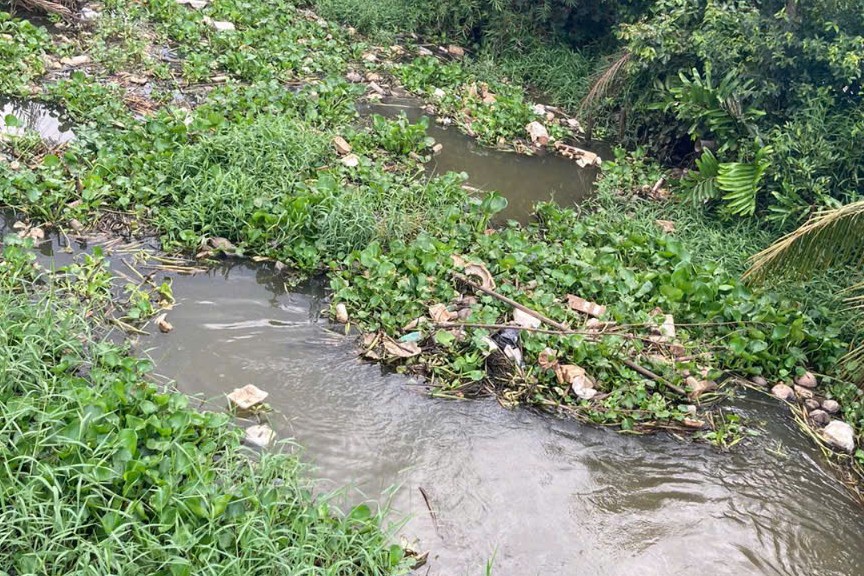
Image 3: Empty packaging materials thrown in ditches
Note: Citrus farmers not being part of the TFR value chain, often dispose empty packaging materials directly into the environment